
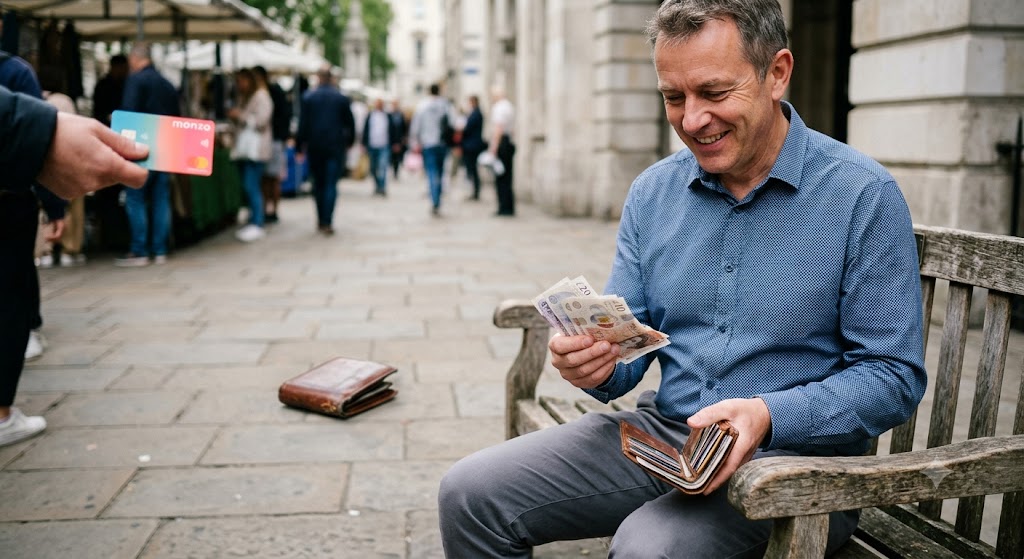
What Is a Risk of Using Cash? Key Dangers and Smarter Alternatives
Introduction
What is a risk of using cash? One of the biggest risks is that cash can be lost, stolen, or damaged, and once it is gone, it is usually impossible to recover. Unlike credit cards or digital payment methods, cash offers no fraud protection, purchase records, or replacement if it disappears. While cash remains a convenient and widely accepted payment method, understanding its drawbacks can help you make smarter financial decisions and better protect your money.
What Is a Risk of Using Cash?
Cash is simple, immediate, and accepted almost everywhere. However, relying on it comes with several disadvantages that many people overlook.
The most significant risks include:
- Theft or loss with little chance of recovery
- No fraud or purchase protection
- Difficulty tracking spending
- Limited options for online purchases
- Increased personal safety concerns when carrying large amounts
- Damage from fire, water, or accidents
Although cash has its place in everyday life, these risks explain why many consumers use debit cards, credit cards, or mobile payment apps for larger transactions.
The Biggest Risk: Loss or Theft
The primary concern with cash is that it is almost impossible to replace once it is lost.
If someone steals your wallet containing cash, or you accidentally leave money somewhere, there is generally no way to recover those funds. Banks cannot reverse the loss because physical cash is not linked to your identity.
By comparison:
- A stolen credit card can usually be frozen immediately.
- Fraudulent card transactions can often be disputed.
- Digital payment accounts offer additional security features such as authentication and transaction monitoring.
This difference makes electronic payment methods much safer for protecting your finances.
No Purchase Protection
Another important drawback is the lack of consumer protection.
Many credit cards include benefits such as:
- Purchase protection
- Extended warranties
- Fraud monitoring
- Chargeback rights
- Travel insurance on eligible purchases
Cash purchases usually offer none of these benefits.
For example, if you buy an expensive item with cash and receive a defective product from a dishonest seller, recovering your money may be much more difficult than if you had paid by credit card.
Cash Makes Budget Tracking More Difficult
Many people believe cash naturally helps with budgeting because you physically see the money leaving your wallet.
While this can reduce overspending, cash creates another challenge—it leaves no automatic spending history.
Without receipts or careful recordkeeping, it becomes difficult to answer questions like:
- How much did I spend on groceries this month?
- Where did my entertainment budget go?
- Am I staying within my financial goals?
Digital payments automatically generate transaction histories that make budgeting significantly easier.
Keeping Financial Records
Accurate records become especially important for:
- Freelancers
- Small business owners
- Tax reporting
- Expense reimbursements
- Household budgeting
Using only cash often requires manual tracking, which increases the chance of errors.
Safety Concerns When Carrying Cash
Carrying large amounts of cash can increase personal safety risks.
Visible cash may attract pickpockets or thieves, particularly in:
- Crowded public transport
- Tourist attractions
- Festivals
- Shopping centers
- Nightlife districts
Even if theft never occurs, losing a wallet containing hundreds of dollars or pounds can create immediate financial hardship.
Many financial experts recommend carrying only the amount of cash you expect to use that day.
Cash Can Be Damaged
Unlike digital funds stored securely in a bank account, physical cash is vulnerable to damage.
Common causes include:
- Fire
- Flooding
- Mold
- Pets
- Washing machines
- General wear and tear
Although some damaged banknotes can sometimes be exchanged through the issuing authority, heavily damaged or destroyed cash may be impossible to recover completely.
Cash Has Limited Uses
Today’s economy increasingly relies on electronic payments.
Many businesses now encourage or even require cashless payments for convenience and security.
Cash also cannot be used directly for:
- Most online shopping
- Subscription services
- Digital entertainment
- App purchases
- Online travel bookings
While prepaid cards can bridge this gap, they add extra steps that electronic payment methods avoid.
When Using Cash Can Still Be Beneficial
Despite its risks, cash remains useful in several situations.
Better Spending Control
Some people spend less when paying with physical money because handing over cash feels more tangible than tapping a card.
Budgeting systems like the envelope method rely on cash to limit spending in different categories.
Privacy
Cash transactions generally reveal less personal information than digital payments.
For individuals concerned about privacy, cash offers greater anonymity for everyday purchases.
Emergency Situations
Power outages or payment network disruptions may temporarily prevent card transactions.
Keeping a small amount of emergency cash can be helpful when electronic payment systems become unavailable.
How to Reduce the Risks of Using Cash
If you prefer using cash, simple precautions can greatly reduce potential problems.
Carry Only What You Need
Avoid carrying more cash than necessary for the day.
Store Cash Securely
Keep larger amounts in a secure location rather than in your wallet.
Split Your Money
Instead of storing all cash in one place, separate it between different secure locations when traveling.
Keep Receipts
Receipts help with returns, budgeting, and tracking expenses.
Use a Mix of Payment Methods
Many people benefit from combining cash with debit cards, credit cards, and mobile payments, depending on the situation.
Cash vs. Digital Payments
Both payment methods have advantages and disadvantages.
| Cash | Digital Payments |
|---|---|
| Immediate payment | Instant electronic transactions |
| No interest charges | Often includes fraud protection |
| Better privacy | Automatic spending records |
| Accepted in many places | Ideal for online shopping |
| Can be lost or stolen permanently | Cards can often be replaced |
| Harder to track expenses | Easier budgeting and financial management |
The right choice often depends on the purchase, location, and your financial habits.
Frequently Asked Questions
1. What is the biggest risk of using cash?
The greatest risk is permanent loss through theft, misplacement, or damage. Unlike digital payment methods, cash usually cannot be recovered once it is gone.
2. Is cash safer than using a debit or credit card?
Cash avoids certain types of cybercrime but lacks fraud protection and replacement options. For larger purchases, cards generally provide stronger financial security and consumer protections.
3. Why do financial experts recommend carrying less cash?
Carrying smaller amounts reduces the financial impact if your wallet is lost or stolen. It also lowers the likelihood of becoming a target for theft.
4. Does paying with cash help with budgeting?
Yes. Many people find that physically handling cash increases awareness of spending. However, it requires disciplined recordkeeping because there is no automatic transaction history.
5. Should I stop using cash completely?
Not necessarily. Cash remains useful for small purchases, emergencies, and budgeting. The safest approach is often to use cash selectively while relying on secure digital payment methods for larger or online transactions.
Conclusion
Understanding what is a risk of using cash helps you make informed decisions about managing your money. While cash offers simplicity, privacy, and spending control, it also carries significant risks such as theft, loss, damage, and the absence of fraud protection. By carrying only the cash you need and combining it with secure digital payment methods, you can enjoy the benefits of both approaches while minimizing financial risk. Continue exploring smart money management strategies to build stronger financial habits and keep your finances better protected.
If you want more information, you can visit our website www.statemagazine.co.uk




One Comment