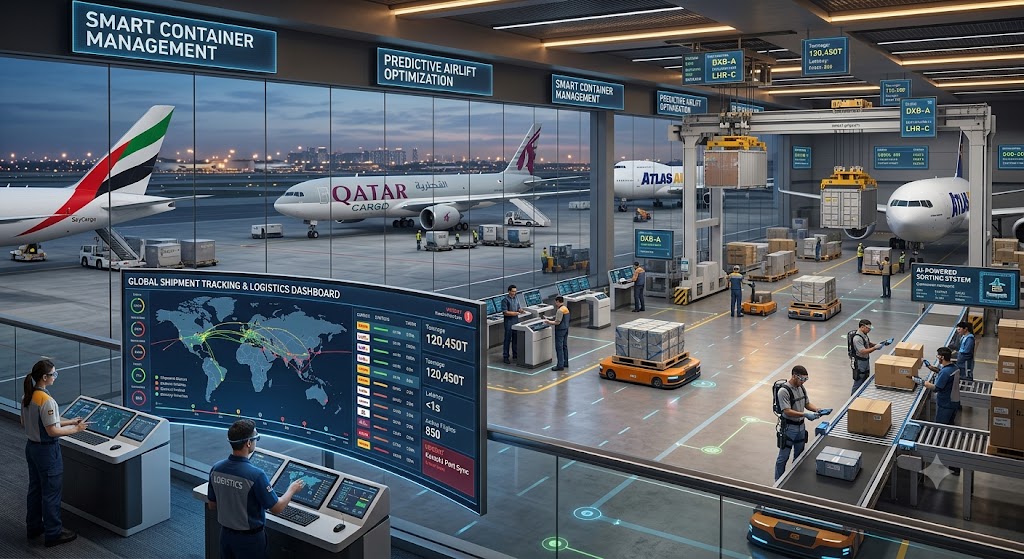
Air Cargo Software Services: Features, Benefits, and How They Transform Modern Logistics
Introduction
Air cargo software services help airlines, freight forwarders, cargo handlers, logistics providers, and shipping companies manage every stage of air freight operations through digital technology. From booking shipments and tracking cargo in real time to automating documentation and warehouse management, these software solutions improve efficiency, reduce operational costs, and enhance customer satisfaction. As global trade continues to grow, businesses increasingly rely on advanced air cargo software to streamline logistics and maintain a competitive advantage.
What Are Air Cargo Software Services?
Air cargo software services are specialized digital solutions designed to manage and automate air freight operations. Instead of relying on manual paperwork and disconnected systems, these platforms integrate shipment management, documentation, warehouse operations, billing, compliance, and customer communication into a single environment.
The software is used by various organizations, including:
- Airlines
- Freight forwarders
- Cargo terminals
- Logistics providers
- Ground handling companies
- Customs brokers
- Third-party logistics (3PL) providers
Modern platforms can also integrate with transportation management systems (TMS), enterprise resource planning (ERP) software, customer relationship management (CRM) tools, and accounting applications to provide seamless business operations.
Why Air Cargo Software Is Essential
The air cargo industry handles millions of shipments every year, many of which involve strict delivery deadlines, international regulations, and complex documentation.
Without efficient software, businesses may experience:
- Shipment delays
- Data entry errors
- Lost documentation
- Poor shipment visibility
- Inefficient warehouse operations
- Higher labor costs
- Reduced customer satisfaction
Air cargo software helps eliminate these challenges by automating routine tasks while providing real-time visibility throughout the shipping process.
Core Features of Air Cargo Software Services
The most effective air cargo software solutions include a wide range of operational and management tools.
Shipment Booking and Management
Users can create, modify, and manage bookings through centralized dashboards.
Key capabilities include:
- Online shipment booking
- Cargo scheduling
- Flight allocation
- Shipment consolidation
- Automated booking confirmations
These features reduce manual workload while improving operational efficiency.
Real-Time Cargo Tracking
Customers increasingly expect accurate shipment tracking.
Modern tracking systems provide:
- Live shipment status
- GPS-enabled location updates
- Flight monitoring
- Delivery notifications
- Exception alerts
Real-time visibility improves communication and reduces customer inquiries.
Electronic Documentation
Paper-based documentation slows operations and increases the risk of errors.
Air cargo software automates documents such as:
- Air waybills (AWB)
- Customs declarations
- Shipping manifests
- Commercial invoices
- Packing lists
- Delivery receipts
Digital documentation also supports regulatory compliance and faster processing.
Warehouse Management
Efficient warehouse operations are critical to successful cargo handling.
Software often includes:
- Inventory tracking
- Barcode scanning
- Storage location management
- Cargo receiving
- Dispatch scheduling
- Load planning
Warehouse automation reduces handling time while improving inventory accuracy.
Billing and Financial Management
Many solutions simplify financial operations through integrated billing modules.
Common functions include:
- Invoice generation
- Freight charge calculations
- Tax management
- Payment tracking
- Customer account management
- Financial reporting
Automated billing minimizes errors and accelerates payment collection.
if you want to know, Strategic Meetings Management Certification Guide, click here.
Benefits of Air Cargo Software Services
Implementing modern cargo management software offers significant operational advantages.
Improved Operational Efficiency
Automation eliminates repetitive manual tasks, allowing employees to focus on higher-value activities.
Benefits include:
- Faster shipment processing
- Reduced paperwork
- Streamlined communication
- Lower administrative workload
Better Shipment Visibility
Real-time tracking allows logistics teams and customers to monitor cargo throughout its journey.
This improves:
- Delivery planning
- Customer confidence
- Problem resolution
- Operational transparency
Enhanced Accuracy
Automation reduces data entry mistakes that may otherwise lead to shipment delays or compliance issues.
Accurate records also improve auditing and reporting processes.
Stronger Customer Experience
Customers benefit from:
- Self-service shipment tracking
- Faster booking
- Automatic status updates
- Digital documentation
- Quicker issue resolution
Satisfied customers are more likely to become repeat clients.
Cost Savings
Automation helps reduce:
- Labor expenses
- Printing costs
- Administrative overhead
- Storage inefficiencies
- Shipment delays
Over time, these savings contribute to improved profitability.
Industries That Benefit from Air Cargo Software
Air cargo software supports businesses across multiple industries.
Common sectors include:
- E-commerce
- Healthcare
- Pharmaceuticals
- Automotive
- Manufacturing
- Aerospace
- Electronics
- Fashion and apparel
- Food and perishables
Each industry benefits from faster deliveries, improved tracking, and better inventory management.
Cloud-Based vs On-Premises Air Cargo Software
Organizations can choose between cloud-based and on-premises deployment models.
Cloud-Based Solutions
Advantages include:
- Lower upfront costs
- Automatic updates
- Remote access
- Easy scalability
- Reduced IT maintenance
- Faster implementation
Cloud platforms are particularly attractive to growing logistics companies.
On-Premises Solutions
Some large organizations prefer on-premises systems because they offer:
- Greater infrastructure control
- Internal data management
- Customized security policies
- Extensive software customization
However, these systems generally require higher initial investment and ongoing maintenance.
Technologies Shaping Modern Air Cargo Software
Digital transformation continues to reshape the logistics industry.
Emerging technologies include:
Artificial Intelligence
AI helps optimize:
- Route planning
- Cargo allocation
- Demand forecasting
- Predictive maintenance
- Customer support
Internet of Things (IoT)
IoT devices provide real-time monitoring of:
- Cargo location
- Temperature
- Humidity
- Shock exposure
- Security status
This technology is particularly valuable for pharmaceuticals and perishable goods.
Blockchain
Blockchain enhances supply chain transparency by creating secure, tamper-resistant shipment records.
Potential benefits include:
- Improved documentation
- Faster customs processing
- Reduced fraud
- Greater traceability
Data Analytics
Advanced reporting tools help organizations analyze:
- Delivery performance
- Warehouse productivity
- Revenue trends
- Customer behavior
- Operational efficiency
These insights support smarter business decisions.
Choosing the Right Air Cargo Software Services
Selecting the right solution requires careful evaluation of business needs.
Consider the following factors:
- Scalability
- Ease of use
- Integration capabilities
- Security features
- Regulatory compliance
- Customer support
- Mobile accessibility
- Reporting functionality
- Automation capabilities
- Vendor reputation
Requesting product demonstrations and trial versions can help businesses compare available options before making a long-term investment.
Common Challenges During Implementation
Like any enterprise software project, implementation requires planning.
Potential challenges include:
- Employee training
- Data migration
- Integration with existing systems
- Workflow changes
- Initial implementation costs
Organizations can minimize disruption by creating a structured implementation plan, providing staff training, and working closely with experienced software vendors.
Best Practices for Maximizing Software Value
Businesses can improve their return on investment by following several best practices.
These include:
- Define clear operational objectives.
- Train employees thoroughly.
- Regularly update software.
- Monitor performance metrics.
- Automate repetitive tasks whenever possible.
- Maintain accurate shipment data.
- Conduct periodic security reviews.
- Collect customer feedback to improve workflows.
Consistent optimization helps organizations maximize the long-term value of their software investment.
Future of Air Cargo Software Services
The future of air cargo software is increasingly driven by automation, artificial intelligence, and connected logistics networks.
Expected developments include:
- AI-powered shipment planning
- Autonomous warehouse operations
- Predictive cargo scheduling
- Digital customs processing
- Enhanced cybersecurity
- Advanced customer self-service portals
- Greater sustainability reporting
- Expanded use of machine learning for operational forecasting
As international shipping volumes continue to rise, digital platforms will become even more important for maintaining efficiency and customer satisfaction.
FAQs
1. What are air cargo software services?
Air cargo software services are digital platforms that help airlines, freight forwarders, and logistics companies manage shipment bookings, tracking, warehouse operations, documentation, billing, and customer communication through a centralized system.
2. Who uses air cargo software?
Air cargo software is commonly used by airlines, cargo terminals, freight forwarders, logistics providers, customs brokers, warehouse operators, and third-party logistics companies involved in domestic and international freight transportation.
3. What are the benefits of air cargo software?
The software improves operational efficiency, reduces manual errors, automates documentation, enhances shipment visibility, strengthens customer service, lowers operating costs, and supports compliance with industry regulations.
4. Is cloud-based air cargo software better than on-premises software?
Cloud-based solutions offer greater flexibility, lower upfront costs, automatic updates, and remote accessibility. On-premises systems may be suitable for organizations requiring extensive customization or strict internal infrastructure control.
5. How do businesses choose the right air cargo software?
Organizations should evaluate scalability, ease of integration, security, reporting features, automation capabilities, vendor support, regulatory compliance, and long-term business requirements before selecting a software solution.
Conclusion
Air cargo software services have become indispensable for organizations seeking faster, smarter, and more reliable logistics operations. By automating shipment management, warehouse processes, documentation, billing, and real-time tracking, these platforms help businesses improve efficiency while delivering better customer experiences. As technologies such as artificial intelligence, IoT, blockchain, and advanced analytics continue to evolve, air cargo software will play an even greater role in shaping the future of global freight transportation. Businesses that invest in the right solution today will be better positioned to reduce costs, improve operational performance, and remain competitive in an increasingly digital logistics industry.