
Electronic Queue Management System: Benefits, Features, and How It Improves Customer Experience
Introduction
An electronic queue management system is a digital solution that organizes customer flow, reduces waiting times, and improves the overall service experience. Instead of relying on traditional first-come, first-served lines, businesses use electronic ticketing, digital displays, and real-time queue monitoring to manage visitors efficiently. Whether in hospitals, banks, retail stores, government offices, or clinics, this technology helps staff serve customers faster while creating a more organized and stress-free environment.
Main Article
What Is an Electronic Queue Management System?
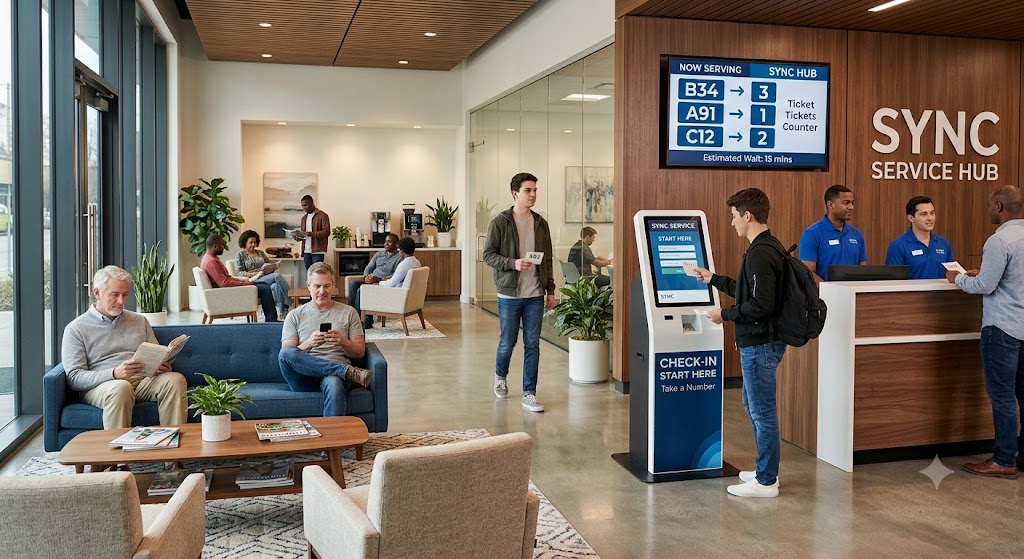
An electronic queue management system is software combined with digital hardware that automates customer queuing. Rather than standing in long physical lines, customers receive a queue number through a kiosk, mobile app, QR code, or online booking system.
The system then directs customers to the appropriate service counter when it’s their turn using digital displays or voice announcements.
Modern queue management solutions also collect valuable performance data, helping organizations improve customer service and operational efficiency.
How Does an Electronic Queue Management System Work?
Although features vary by provider, most systems follow a simple process:
- Customer checks in using a kiosk, QR code, or mobile device.
- The system assigns a queue number.
- Customers wait comfortably instead of standing in line.
- Digital displays or audio notifications call the next customer.
- Staff serve customers while the software records service times and performance metrics.
Many advanced systems also allow customers to schedule appointments in advance, reducing lobby congestion.
Key Features of an Electronic Queue Management System
Digital Ticketing
Customers receive electronic queue tickets instead of paper slips or waiting physically in line.
Self-Service Kiosks
Interactive kiosks allow visitors to select the service they need quickly without staff assistance.
Digital Queue Displays
Large screens display the current queue number and assigned service desk in real time.
Mobile Queue Management
Customers can join the queue remotely using a smartphone and receive SMS or app notifications when their turn approaches.
Appointment Scheduling
Businesses can combine scheduled appointments with walk-in visitors for smoother operations.
Analytics and Reporting
Managers gain access to reports showing:
- Average waiting time
- Service duration
- Peak traffic hours
- Staff productivity
- Customer volume trends
These insights support better decision-making and resource planning.
Benefits of an Electronic Queue Management System
Reduces Waiting Time
Smart queue routing minimizes unnecessary delays and ensures customers reach the correct service representative faster.
Improves Customer Satisfaction
Customers appreciate transparent waiting times and the freedom to sit comfortably instead of standing in long lines.
Higher satisfaction often leads to stronger customer loyalty and positive reviews.
Increases Staff Productivity
Employees spend less time organizing queues and more time delivering quality service.
Automated queue handling also reduces confusion and interruptions.
Better Resource Allocation
Managers can monitor demand throughout the day and assign additional staff during busy periods.
This leads to more balanced workloads and improved efficiency.
Provides Valuable Business Insights
Real-time analytics help businesses identify bottlenecks and optimize workflows based on actual customer behavior.
Industries That Use Electronic Queue Management Systems
Many industries depend on queue management technology every day.
Healthcare
Hospitals, clinics, diagnostic centers, and pharmacies use electronic queues to organize patient flow while minimizing overcrowding.
Banking
Banks streamline teller services, customer support, loan consultations, and account services using digital queues.
Government Offices
Public service centers improve efficiency for passport applications, licensing, taxation, and other administrative services.
Retail Stores
Large retailers reduce checkout congestion while directing customers to specialized service counters.
Telecommunications
Mobile network providers manage technical support, billing inquiries, and new customer registrations more effectively.
Educational Institutions
Universities and colleges organize admissions, student services, financial aid, and administrative departments using queue management software.
Electronic Queue Management System vs Traditional Queuing
| Traditional Queue | Electronic Queue Management System |
|---|---|
| Long physical lines | Virtual or digital queues |
| Manual management | Automated queue control |
| Limited reporting | Real-time analytics |
| Customer frustration | Improved customer experience |
| Inefficient staff allocation | Optimized workforce management |
| No appointment integration | Supports appointments and walk-ins |
The digital approach creates a more organized environment while helping businesses operate more efficiently.
Essential Features to Consider Before Choosing a System
When selecting an electronic queue management system, look for these capabilities:
- Cloud-based access
- Mobile compatibility
- Appointment booking
- SMS notifications
- Digital signage integration
- Real-time dashboards
- Multi-location support
- Customer feedback collection
- CRM integration
- Secure data protection
Choosing scalable software ensures it can grow alongside your organization.
Common Challenges and How to Overcome Them
Like any technology investment, implementation requires planning.
Some organizations may face:
- Employee training requirements
- Initial installation costs
- Integration with existing systems
- Customer adaptation during rollout
These challenges can usually be addressed through proper staff training, phased implementation, and selecting user-friendly software with reliable technical support.
Future Trends in Electronic Queue Management
Technology continues to transform customer service.
Emerging innovations include:
- Artificial intelligence for predictive queue management
- Facial recognition for personalized service
- Voice-enabled check-in
- Contactless QR code registration
- Cloud-based remote administration
- Advanced customer journey analytics
As businesses continue investing in digital transformation, queue management systems will become even smarter and more customer-focused.
FAQs
1. What is an electronic queue management system?
An electronic queue management system is digital software that organizes customer waiting lines using kiosks, mobile apps, ticketing systems, and digital displays. It reduces waiting times while improving customer satisfaction and operational efficiency.
2. Which businesses benefit most from electronic queue management systems?
Banks, hospitals, clinics, retail stores, government offices, universities, airports, and telecommunications companies all benefit from electronic queue management because they regularly serve large numbers of customers.
3. Can customers join the queue remotely?
Yes. Many modern systems allow customers to join a virtual queue through a mobile app, website, or QR code and receive notifications when their turn is approaching.
4. Does an electronic queue management system improve staff productivity?
Yes. Automated queue handling reduces administrative work, directs customers efficiently, and provides managers with real-time data to optimize staffing and improve service performance.
5. Is an electronic queue management system suitable for small businesses?
Absolutely. Many providers offer affordable cloud-based solutions designed specifically for small and medium-sized businesses. Even organizations with moderate customer traffic can benefit from improved efficiency and customer satisfaction.
Conclusion
An electronic queue management system helps businesses deliver faster, more organized, and customer-friendly service while improving operational efficiency. By reducing wait times, increasing staff productivity, and providing valuable performance insights, it has become an essential tool across healthcare, banking, retail, government, and many other industries. If your organization wants to enhance the customer experience and streamline daily operations, investing in the right electronic queue management system is a smart long-term decision. Explore available solutions, compare features, and choose a system that fits your business needs to create a smoother and more efficient service experience.



One Comment