
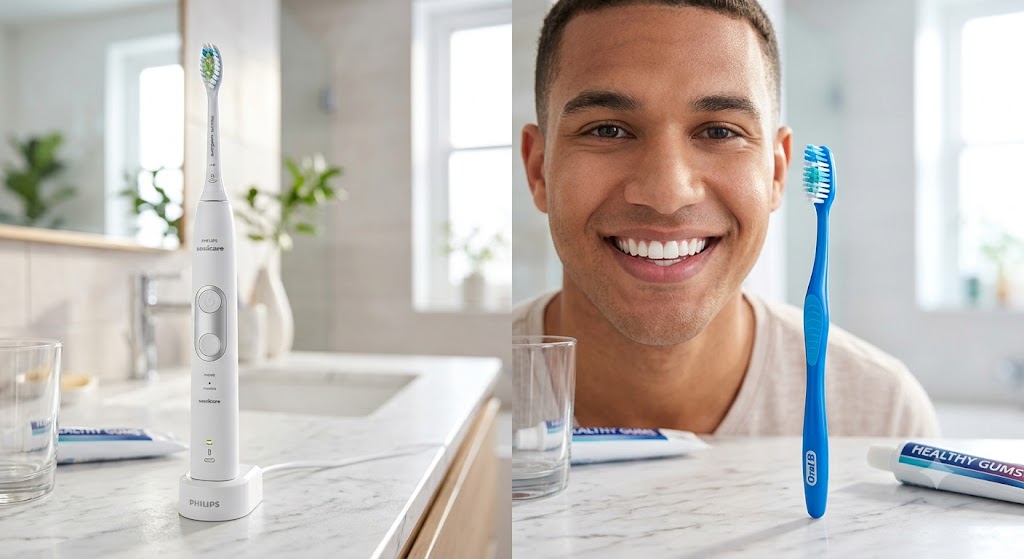
Do Electric Toothbrushes Work Better? Benefits, Effectiveness, and Expert Insights
Introduction
Yes, electric toothbrushes work better for many people because they remove more plaque, improve gum health, and make it easier to brush correctly. Numerous dental studies have shown that powered toothbrushes can clean teeth more effectively than manual brushes when used properly. Whether you’re looking to prevent cavities, reduce plaque, or maintain healthier gums, an electric toothbrush may help you achieve better oral hygiene with less effort.
Why Electric Toothbrushes Work Better
Electric toothbrushes are designed to perform thousands of brushing movements every minute, far more than anyone can achieve manually. These rapid motions help loosen plaque, remove food particles, and clean hard-to-reach areas more efficiently.
Many models also include smart features that encourage proper brushing habits, making them especially useful for children, older adults, and anyone with limited hand mobility.
The biggest reasons electric toothbrushes outperform manual ones include:
- More effective plaque removal
- Better gum protection
- Consistent brushing motion
- Built-in timers
- Pressure sensors to prevent aggressive brushing
- Easier to use correctly
Scientific Evidence Behind Electric Toothbrushes
Research consistently supports the effectiveness of electric toothbrushes.
Clinical studies have found that oscillating and rotating electric toothbrushes remove more plaque than manual toothbrushes over both short-term and long-term use. Better plaque control reduces the risk of:
- Tooth decay
- Gingivitis
- Gum disease
- Bad breath
Many dentists recommend electric toothbrushes because they help users maintain consistent brushing habits, especially those who struggle with proper brushing techniques.
Electric Toothbrush vs. Manual Toothbrush
Choosing between an electric and manual toothbrush depends on your needs, budget, and brushing habits.
Plaque Removal
Electric toothbrushes generally remove more plaque because of their high-speed brushing action.
Manual toothbrushes can also clean effectively, but only when proper technique and brushing time are maintained.
Gum Health
Electric toothbrushes often include pressure sensors that alert users when they’re brushing too hard.
This helps reduce gum irritation while still providing a thorough clean.
Manual brushes rely entirely on user control, making excessive pressure more common.
Ease of Use
Electric toothbrushes require less physical effort.
This makes them an excellent option for:
- Seniors
- Children
- People with arthritis
- Individuals with disabilities
- Anyone wearing braces
Manual toothbrushes require more precise hand movements to achieve the same level of cleaning.
Cost
Manual toothbrushes are inexpensive and easy to replace.
Electric toothbrushes have a higher upfront cost, along with replacement brush heads every few months.
However, many users consider the improved cleaning performance worth the investment.
If you want to know about, Education Technology Software Development, click here.
Features That Improve Brushing Performance
Modern electric toothbrushes include several features designed to improve oral care.
Built-In Timer
Dentists recommend brushing for two minutes.
Most electric toothbrushes automatically time each brushing session, ensuring adequate cleaning.
Pressure Sensor
Brushing too hard can damage enamel and irritate gums.
Pressure sensors notify users to reduce force, protecting teeth and gums over time.
Multiple Cleaning Modes
Many models include specialized settings such as:
- Daily Clean
- Sensitive
- Gum Care
- Whitening
- Deep Clean
These options allow users to customize their brushing experience.
Smart Connectivity
Some premium toothbrushes connect to smartphone apps that track brushing habits and provide personalized feedback.
While not essential, these features can help users improve their daily routine.
Who Benefits Most from an Electric Toothbrush?
Although nearly everyone can benefit, certain groups often see the greatest improvements.
These include:
- People with braces
- Individuals with gum disease
- Children learning proper brushing habits
- Older adults
- People with arthritis or reduced dexterity
- Those who frequently brush too hard
- Anyone wanting to improve oral hygiene
Electric toothbrushes simplify brushing while promoting consistent cleaning.
Tips for Getting the Best Results
Even the best toothbrush won’t perform well without proper technique.
Follow these simple recommendations:
- Brush twice daily for two minutes.
- Replace brush heads every three months.
- Hold the brush gently against each tooth.
- Move slowly across all tooth surfaces.
- Brush along the gumline.
- Floss once daily.
- Visit your dentist regularly.
- Avoid applying excessive pressure.
Consistency matters more than expensive features.
Are Electric Toothbrushes Worth the Investment?
For many people, yes.
Although electric toothbrushes cost more initially, they often provide long-term benefits through improved plaque removal and healthier gums.
If you frequently miss areas while brushing or struggle to maintain proper technique, an electric toothbrush can make daily oral care easier and more effective.
However, a manual toothbrush can still provide excellent results when used correctly for the recommended amount of time.
The best toothbrush is ultimately the one you’ll use consistently with proper brushing habits.
Common Myths About Electric Toothbrushes
Several misconceptions prevent people from considering electric toothbrushes.
Myth 1: They’re Only for Children
Electric toothbrushes are beneficial for people of all ages.
Adults often experience noticeable improvements in plaque control and gum health.
Myth 2: They Damage Teeth
When used properly, electric toothbrushes are safe.
In fact, pressure sensors help reduce the risk of brushing too aggressively.
Myth 3: More Expensive Means Better Cleaning
Higher-priced models offer additional features, but many affordable electric toothbrushes provide excellent cleaning performance.
Choosing one with a timer and reliable brushing technology is often sufficient for most users.
FAQs
1. Do electric toothbrushes remove more plaque than manual toothbrushes?
Yes. Research shows electric toothbrushes generally remove more plaque because of their rapid brushing movements and consistent cleaning action, especially when used twice daily.
2. Are electric toothbrushes safe for sensitive teeth?
Yes. Many electric toothbrushes include sensitive modes and pressure sensors that help protect enamel and reduce gum irritation while still providing effective cleaning.
3. Can children use electric toothbrushes?
Yes. Many electric toothbrushes are designed specifically for children. They can make brushing more enjoyable while helping kids develop proper oral hygiene habits.
4. How often should I replace an electric toothbrush head?
Most dental professionals recommend replacing the brush head every three months or sooner if the bristles become worn or frayed.
5. Is an expensive electric toothbrush necessary?
Not necessarily. Many mid-range models offer excellent plaque removal, timers, and pressure sensors that provide outstanding everyday performance without premium pricing.
Conclusion
So, electric toothbrushes work better for many people by improving plaque removal, supporting healthier gums, and making proper brushing easier to maintain. While manual toothbrushes can still be effective with excellent technique, electric models offer helpful features that encourage consistent oral care and better long-term dental health. If you’re looking to upgrade your daily routine, choosing a quality electric toothbrush and using it correctly can be a worthwhile investment in your smile. Continue learning about oral health best practices and consult your dentist to find the toothbrush that best suits your individual needs.




One Comment