
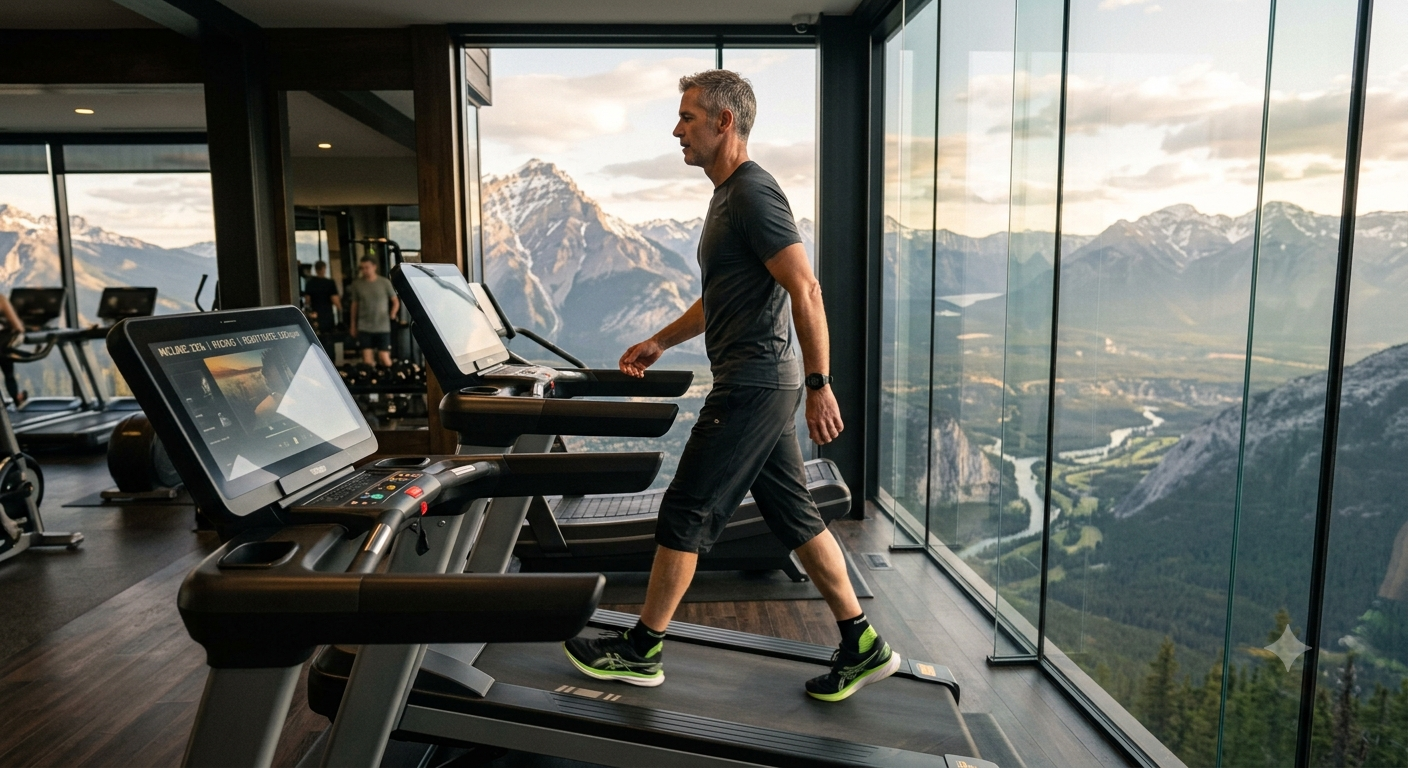
Benefits of Walking on an Incline: Why It’s One of the Best Low-Impact Workouts
Introduction
The benefits of walking on an incline include burning more calories, strengthening your lower body, improving cardiovascular fitness, and increasing workout intensity without the high impact of running. Whether you’re walking uphill outdoors or using an inclined treadmill, this simple adjustment can make your workouts more effective while remaining gentle on your joints. It’s an excellent option for beginners, experienced exercisers, and anyone looking to improve overall fitness with a sustainable routine.
Benefits of Walking on an Incline for Overall Fitness
Walking on a flat surface is already an excellent form of exercise, but adding an incline challenges your muscles and cardiovascular system even more. Your body must work harder against gravity, increasing energy expenditure and muscle activation.
Some of the biggest benefits include:
- Higher calorie burn
- Improved cardiovascular endurance
- Stronger leg and glute muscles
- Increased stamina
- Better balance and stability
- Low-impact exercise for joint health
Because incline walking is highly adaptable, you can gradually increase the incline as your fitness improves.
Burns More Calories Than Flat Walking
One of the most popular reasons people choose incline walking is its ability to increase calorie expenditure.
Walking uphill requires more effort than walking on level ground. As your body works harder, your heart rate rises and your muscles consume more energy.
Why Calorie Burn Increases
The incline forces your body to overcome gravity, requiring greater muscle engagement with every step. This means you can achieve a more challenging workout without significantly increasing your walking speed.
For people focused on weight management, incline walking can be an effective addition to a balanced diet and regular exercise routine.
Strengthens Lower Body Muscles
Walking on an incline targets muscles that are less active during flat walking.
Muscles Worked During Incline Walking
Regular incline walking helps strengthen:
- Glute muscles
- Hamstrings
- Quadriceps
- Calves
- Hip flexors
- Core stabilizers
This improved muscle engagement supports better movement patterns and functional strength for everyday activities such as climbing stairs or hiking.
Improves Cardiovascular Health
One of the greatest long-term benefits of walking on an incline is improved heart and lung function.
As your heart pumps harder to deliver oxygen-rich blood to your working muscles, cardiovascular endurance gradually improves.
Over time, consistent incline walking may help:
- Increase aerobic capacity
- Improve circulation
- Lower resting heart rate
- Support healthy blood pressure
- Enhance overall endurance
For many individuals, incline walking provides an effective cardio workout without the impact associated with jogging.
Supports Weight Management
Incline walking can play a valuable role in maintaining a healthy weight.
Because it increases workout intensity, you burn more calories in the same amount of time compared to walking on a flat surface.
Additionally, regular physical activity helps preserve lean muscle mass during weight-loss efforts, supporting a healthier metabolism over time.
For best results, combine incline walking with:
- A balanced diet
- Strength training
- Adequate sleep
- Consistent exercise habits
Gentle on the Joints
Unlike running, incline walking delivers a challenging cardiovascular workout while remaining relatively low impact.
Many people recovering from minor injuries or looking to reduce joint stress find incline walking easier on their knees, hips, and ankles than higher-impact exercises.
However, excessively steep inclines may place additional stress on the lower back or calves, so gradual progression is recommended.
Improves Balance and Stability
Walking uphill requires greater coordination and control.
Your core muscles remain engaged to stabilize your body while your hips and ankles work to maintain balance.
Over time, this may improve:
- Posture
- Walking mechanics
- Functional mobility
- Overall body control
These improvements are particularly beneficial as people age or participate in sports requiring stability and coordination.
Easy Ways to Add Incline Walking to Your Routine
You don’t need advanced fitness equipment to enjoy the benefits of incline walking.
Here are several practical options:
- Increase your treadmill incline by 2–5% to start.
- Walk uphill in your local neighborhood.
- Choose hiking trails with gradual elevation.
- Climb stadium steps during workouts.
- Alternate between flat and incline intervals.
Beginner Incline Walking Routine
If you’re new to incline walking, try this simple workout:
- 5-minute warm-up on a flat surface
- 10 minutes at a 3% incline
- 5 minutes at a 5% incline
- 5 minutes on a flat surface for recovery
- 5-minute cool-down
Gradually increase either the incline or duration as your fitness improves.
Tips for Safe and Effective Incline Walking
To maximize results while reducing injury risk, follow these recommendations:
Maintain Good Posture
Keep your head up, shoulders relaxed, and core engaged. Avoid leaning heavily on treadmill handrails, as this reduces the workout’s effectiveness.
Wear Supportive Footwear
Proper walking shoes with good cushioning and arch support help improve comfort and reduce stress on your feet and joints.
Increase Intensity Gradually
Avoid jumping straight to steep inclines. Slowly increase the incline over several weeks to allow your muscles and tendons to adapt safely.
Stay Hydrated
As workout intensity increases, so does fluid loss. Drinking enough water before and after exercise helps maintain performance and recovery.
Who Can Benefit Most from Incline Walking?
Incline walking is suitable for a wide range of fitness levels.
It may be especially beneficial for:
- Beginners starting a fitness routine
- Adults seeking low-impact cardio
- People aiming to lose weight
- Hikers preparing for outdoor trails
- Athletes improving endurance
- Older adults maintaining mobility and strength
Always consult a healthcare professional before beginning a new exercise program if you have existing medical conditions or concerns.
FAQs
1. Is walking on an incline better than running?
Incline walking and running both offer excellent cardiovascular benefits. Incline walking provides a lower-impact alternative while still increasing calorie burn and muscle activation, making it ideal for people seeking a joint-friendly workout.
2. How much incline should beginners use?
Most beginners benefit from starting with a 2–5% incline. As endurance and strength improve, the incline can gradually increase while maintaining proper walking form and a comfortable pace.
3. Does incline walking help build glutes?
Yes. Walking uphill activates the glute muscles more than walking on flat ground. Consistent incline walking can improve lower-body strength and muscle endurance when combined with a balanced fitness routine.
4. How often should I walk on an incline?
Most healthy adults can include incline walking three to five times per week. Adjust frequency and intensity based on your fitness level, recovery, and overall exercise program.
5. Can incline walking help reduce belly fat?
Incline walking supports overall fat loss by increasing calorie expenditure. However, spot reduction is not possible. Combining regular incline walking with healthy eating and strength training is the most effective approach for reducing body fat.
Conclusion
The benefits of walking on an incline make it one of the most effective low-impact workouts for improving cardiovascular fitness, strengthening the lower body, increasing calorie burn, and supporting long-term health. Whether you prefer an inclined treadmill or outdoor hills, this versatile exercise can easily fit into almost any fitness routine. Start with a manageable incline, progress gradually, and stay consistent to enjoy lasting results. As your endurance grows, continue exploring new ways to challenge yourself and build a healthier, more active lifestyle.
If you want to know about; Benefits of Balsamic Vinegar, click here.





2 Comments