
Kitchen Cabinet Height: Standard Dimensions and Installation Guide
Introduction
Choosing the correct kitchen cabinet height is essential for creating a comfortable, functional, and visually appealing kitchen. Standard cabinet dimensions are designed to suit most users, but factors such as ceiling height, personal preferences, and accessibility may require adjustments. Whether you’re remodeling your kitchen or building a new one, understanding standard cabinet heights helps ensure proper ergonomics, storage, and design consistency.
Understanding Standard Kitchen Cabinet Height
Kitchen cabinets generally fall into three categories:
- Base cabinets
- Wall cabinets
- Tall pantry cabinets
Each serves a different purpose and has standard height recommendations.
Base Cabinet Height
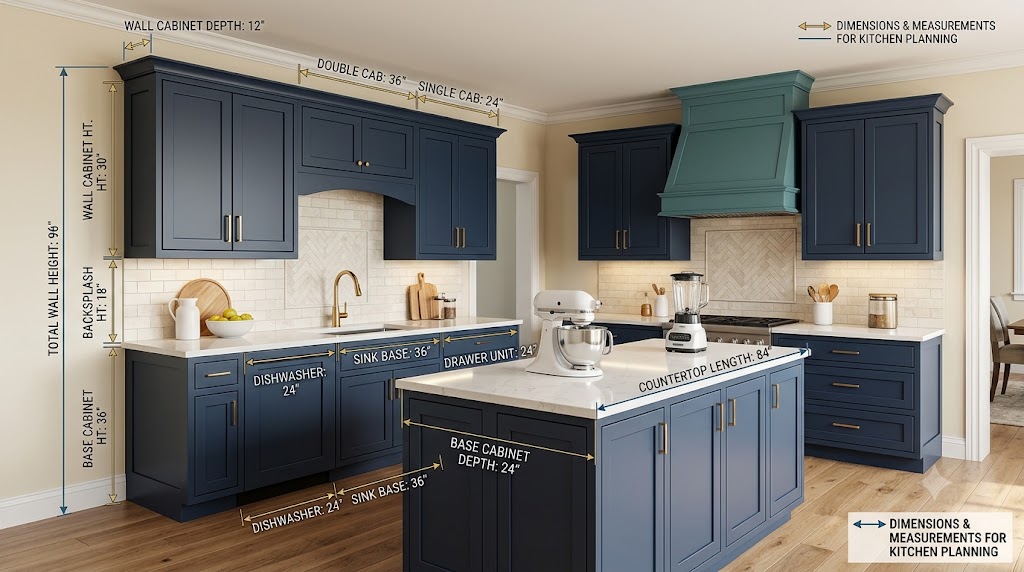
The standard base cabinet height is 34.5 inches (876 mm) without the countertop.
Once a standard countertop is installed, the total working height becomes 36 inches (914 mm). This measurement is considered the most comfortable working height for the average adult and is widely used in homes across the United States and the United Kingdom.
Wall Cabinet Height
Wall cabinets are commonly available in several heights, including:
- 12 inches
- 15 inches
- 18 inches
- 24 inches
- 30 inches
- 36 inches
- 42 inches
The right choice depends on your ceiling height and storage needs.
convert inches to cm click here.
Tall Cabinet Height
Tall cabinets, often used as pantry units, typically measure:
- 84 inches
- 90 inches
- 96 inches
These cabinets maximize vertical storage while maintaining a clean, built-in appearance.
Why Standard Kitchen Cabinet Height Matters
Installing cabinets at the proper height offers several benefits.
Improved Comfort
A countertop height of 36 inches reduces bending and strain during food preparation, cooking, and cleaning.
Better Storage
Proper cabinet placement allows easy access to dishes, cookware, and pantry items while maximizing available storage.
Consistent Appearance
Standard measurements create balanced spacing between countertops, backsplashes, and upper cabinets, resulting in a professional-looking kitchen.
Standard Distance Between Base and Wall Cabinets
One of the most important measurements is the clearance between countertops and upper cabinets.
The recommended distance is:
- 18 inches from the countertop surface to the bottom of the wall cabinets.
This spacing provides enough room for:
- Small appliances
- Food preparation
- Decorative backsplashes
- Comfortable workspace
Some homeowners choose slightly larger gaps for modern kitchen designs.
Choosing the Right Kitchen Cabinet Height
While standard dimensions work well for most kitchens, several factors should influence your decision.
Ceiling Height
For kitchens with:
- 8-foot ceilings: 30- or 36-inch wall cabinets are common.
- 9-foot ceilings: 42-inch cabinets maximize storage.
- Higher ceilings: Stacked cabinets or custom cabinetry create a premium appearance.
User Height
Taller individuals may prefer slightly higher countertops, while shorter users or those with mobility concerns may benefit from lower working surfaces.
Kitchen Style
Traditional kitchens often feature crown molding above wall cabinets, whereas modern kitchens frequently use full-height cabinets that extend to the ceiling.
Kitchen Cabinet Height for Accessibility
Accessible kitchens should prioritize ease of use.
Recommended considerations include:
- Lower countertop heights when needed.
- Pull-down shelving systems.
- Soft-close drawers.
- Pull-out storage solutions.
- Easy-to-reach upper cabinets.
These features improve usability without sacrificing style.
Common Kitchen Cabinet Height Mistakes
Avoid these common installation errors.
Installing Upper Cabinets Too Low
Cabinets placed too close to the countertop reduce workspace and limit appliance clearance.
Ignoring Ceiling Proportions
Short cabinets in tall kitchens leave awkward empty space above them.
Forgetting Appliance Dimensions
Always measure refrigerators, microwaves, dishwashers, and range hoods before finalizing cabinet placement.
Skipping Professional Measurements
Even small measurement errors can affect alignment, door clearance, and countertop installation.
Tips for Planning Kitchen Cabinet Installation
Before installation:
- Measure your kitchen carefully.
- Consider future storage needs.
- Plan around windows and doors.
- Leave enough space for lighting fixtures.
- Check appliance specifications.
- Use quality cabinet hardware.
- Ensure cabinets are level before securing them.
Proper planning minimizes costly mistakes and delivers a polished final result.
Custom vs. Standard Cabinet Heights
Standard cabinets are ideal for most homes because they are affordable, readily available, and compatible with common appliances.
Custom cabinets, however, offer greater flexibility. They are an excellent choice for kitchens with unusual layouts, high ceilings, or homeowners who require personalized working heights or specialized storage solutions.
Although custom cabinetry typically costs more, it can significantly improve both functionality and aesthetics.
FAQs
1. What is the standard kitchen cabinet height?
Base cabinets are typically 34.5 inches high without countertops and 36 inches with countertops installed. This is the standard working height used in most residential kitchens.
2. How high should wall cabinets be above the countertop?
Wall cabinets are usually installed so that the bottom sits 18 inches above the countertop. This spacing provides comfortable workspace while allowing room for small kitchen appliances.
3. Can kitchen cabinet height be customized?
Yes. Custom cabinets can be built to accommodate taller or shorter users, accessibility requirements, unique kitchen layouts, or specific design preferences.
4. What is the standard height of tall pantry cabinets?
Tall pantry cabinets commonly measure 84, 90, or 96 inches. The best height depends on your ceiling height and desired storage capacity.
5. Should kitchen cabinets reach the ceiling?
Extending cabinets to the ceiling creates additional storage, minimizes dust accumulation, and gives the kitchen a clean, custom-built appearance. It is especially popular in modern and luxury kitchen designs.
Conclusion
Understanding the correct kitchen cabinet height is the foundation of a practical and attractive kitchen. Standard dimensions provide excellent comfort, efficient storage, and compatibility with most appliances, while custom options allow you to tailor the space to your specific needs. Before starting your renovation or new build, take accurate measurements, consider your lifestyle, and choose cabinet heights that enhance both functionality and design. With careful planning, you’ll create a kitchen that remains comfortable, efficient, and visually appealing for years to come.

One Comment