
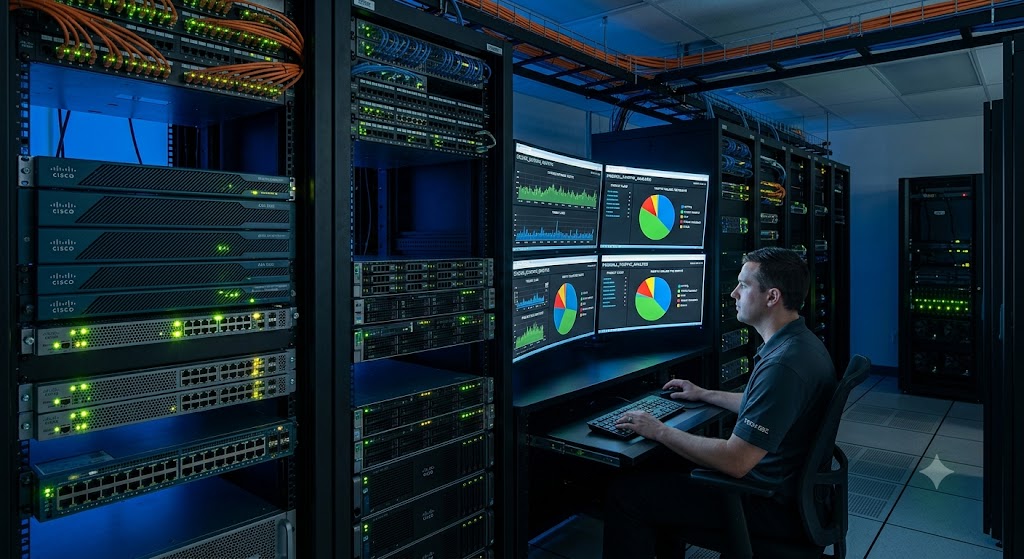
Network Data Transfer Filtering Solutions Hardware: A Complete Buyer’s Guide
Introduction
Network data transfer filtering solutions hardware helps organizations secure, monitor, and control data moving across their networks. These dedicated hardware appliances inspect network traffic in real time, block unauthorized transfers, detect malicious activity, and enforce security policies without significantly affecting performance. Whether protecting sensitive business information, meeting compliance requirements, or improving network efficiency, hardware-based filtering solutions remain a critical component of modern cybersecurity infrastructure for organizations of all sizes.
What Is Network Data Transfer Filtering Solutions Hardware?
Network data transfer filtering solutions hardware refers to specialized devices that inspect, analyze, and regulate network traffic before it enters or leaves an organization’s infrastructure.
Unlike software-only solutions, dedicated hardware appliances are designed to process high volumes of network traffic with minimal latency. They provide centralized control over data flows while improving security and operational efficiency.
These devices are commonly deployed at:
- Network gateways
- Data centers
- Enterprise campuses
- Cloud connectivity points
- Branch office connections
- Industrial networks
Their primary purpose is to ensure that only authorized, secure, and policy-compliant data moves across the network.
Why Organizations Need Hardware-Based Filtering
Modern businesses generate enormous amounts of network traffic every day.
Without effective filtering, organizations face risks such as:
- Malware infections
- Unauthorized data transfers
- Data breaches
- Insider threats
- Distributed denial-of-service (DDoS) attacks
- Compliance violations
- Network congestion
Hardware filtering appliances help reduce these risks while maintaining stable network performance.
Key Features of Network Filtering Hardware
Today’s enterprise filtering solutions include a wide range of advanced capabilities.
Common features include:
- Deep packet inspection (DPI)
- Stateful packet inspection
- Intrusion prevention
- Application-aware filtering
- URL filtering
- Malware detection
- Traffic shaping
- Bandwidth management
- SSL/TLS inspection
- Access control policies
- Network segmentation
- Logging and reporting
These features work together to create multiple layers of network protection.
Types of Network Data Transfer Filtering Hardware
Next-Generation Firewalls
Next-generation firewalls combine traditional firewall capabilities with advanced traffic inspection.
They typically provide:
- Application awareness
- User identity management
- Threat prevention
- Content filtering
- Encrypted traffic inspection
These appliances serve as the first line of defense for many enterprise networks.
Secure Web Gateways
Secure web gateways filter internet traffic to prevent users from accessing harmful or inappropriate websites.
Benefits include:
- Web content filtering
- Malware blocking
- Phishing protection
- Cloud application control
- Safe browsing enforcement
These systems are particularly valuable for organizations with large remote or hybrid workforces.
Intrusion Prevention Systems (IPS)
IPS appliances monitor network traffic for suspicious behavior and automatically block malicious activity.
They help detect:
- Exploitation attempts
- Known attack signatures
- Network scanning
- Unauthorized access attempts
Real-time prevention minimizes the impact of cyber threats.
Data Loss Prevention Appliances
Data Loss Prevention (DLP) hardware helps prevent confidential information from leaving the organization without authorization.
Typical protections include:
- Sensitive document detection
- Financial data monitoring
- Personal information protection
- Intellectual property safeguards
- Regulatory compliance enforcement
DLP solutions are essential for industries handling confidential or regulated data.
if you want to know, AI Apply Reviews, click here.
Benefits of Hardware-Based Filtering Solutions
Organizations continue investing in dedicated hardware because of several important advantages.
Key benefits include:
- High-speed traffic processing
- Reliable performance under heavy workloads
- Centralized security management
- Lower latency than software-only solutions
- Enhanced threat detection
- Better network visibility
- Scalable enterprise protection
- Improved regulatory compliance
Dedicated hardware is especially valuable in environments with high traffic volumes and strict security requirements.
Best Practices for Deployment
Deploying network filtering hardware requires thoughtful planning.
Organizations should begin by assessing:
- Network architecture
- Traffic volume
- Business applications
- Compliance obligations
- Existing security controls
- Future growth expectations
Proper planning ensures that filtering solutions meet both current and long-term operational needs.
Position Appliances Strategically
Filtering hardware should be installed where it provides maximum visibility.
Common deployment locations include:
- Internet gateways
- Internal network segments
- Cloud connections
- VPN termination points
- Data center perimeters
Strategic placement strengthens security while minimizing unnecessary traffic inspection.
Establish Clear Security Policies
Technology alone cannot protect a network.
Organizations should define policies covering:
- Acceptable network usage
- Access permissions
- File transfer restrictions
- Application controls
- Remote access standards
Consistent policy enforcement improves overall security effectiveness.
Performance Considerations
While security is essential, filtering hardware should not create network bottlenecks.
Important performance factors include:
- Throughput capacity
- Concurrent session limits
- Latency
- SSL inspection performance
- High-availability support
- Failover capabilities
Selecting appropriately sized hardware ensures reliable performance during peak usage.
Compliance and Regulatory Benefits
Many industries must protect sensitive information under regulatory frameworks.
Hardware filtering solutions support compliance by:
- Monitoring network activity
- Recording security events
- Blocking unauthorized transfers
- Protecting customer information
- Generating audit reports
These capabilities simplify regulatory reporting while strengthening overall security posture.
Future Trends in Network Filtering Hardware
Enterprise security continues to evolve alongside increasingly sophisticated cyber threats.
Emerging developments include:
- AI-powered threat detection
- Machine learning traffic analysis
- Zero Trust architecture integration
- Cloud-managed appliances
- Automated policy enforcement
- Behavioral analytics
- Unified security management
These technologies enable faster threat detection while reducing manual administrative effort.
Choosing the Right Hardware Solution
Every organization has different security requirements.
When evaluating network data transfer filtering solutions hardware, consider:
- Network size
- Expected throughput
- Security objectives
- Remote workforce support
- Integration capabilities
- Management interface
- Vendor support
- Scalability
- Total cost of ownership
Selecting the right solution requires balancing performance, security, and operational simplicity.
FAQs
1. What is network data transfer filtering solutions hardware?
Network data transfer filtering solutions hardware consists of dedicated appliances that inspect, monitor, and control network traffic. These devices help organizations prevent cyber threats, protect sensitive information, enforce security policies, and improve network performance.
2. How is hardware filtering different from software filtering?
Hardware filtering uses dedicated appliances designed specifically for high-speed traffic inspection, while software filtering runs on general-purpose systems. Hardware solutions typically offer better performance, lower latency, and greater scalability for enterprise environments.
3. What industries benefit most from network filtering hardware?
Financial institutions, healthcare providers, government agencies, educational organizations, manufacturers, retail businesses, and technology companies all benefit from network filtering hardware because they manage sensitive information and require strong cybersecurity protection.
4. Does filtering hardware affect network speed?
Modern enterprise-grade appliances are optimized for high throughput and low latency. When properly sized and configured, they inspect traffic efficiently while maintaining strong network performance even under heavy workloads.
5. What features should businesses prioritize when purchasing filtering hardware?
Organizations should evaluate throughput capacity, deep packet inspection, intrusion prevention, SSL inspection, centralized management, reporting capabilities, scalability, high availability, integration options, and vendor support before selecting a filtering solution.
Conclusion
Network data transfer filtering solutions hardware plays a vital role in protecting modern enterprise networks by inspecting traffic, preventing unauthorized data transfers, and enforcing consistent security policies. As cyber threats continue to evolve, dedicated hardware appliances provide the speed, reliability, and advanced protection needed to secure critical business operations. By carefully evaluating organizational requirements and deploying the right filtering solution, businesses can strengthen cybersecurity, maintain compliance, and ensure efficient network performance for years to come.





One Comment