Education Technology Software Development: A Complete Guide to Building Smarter Learning Solutions

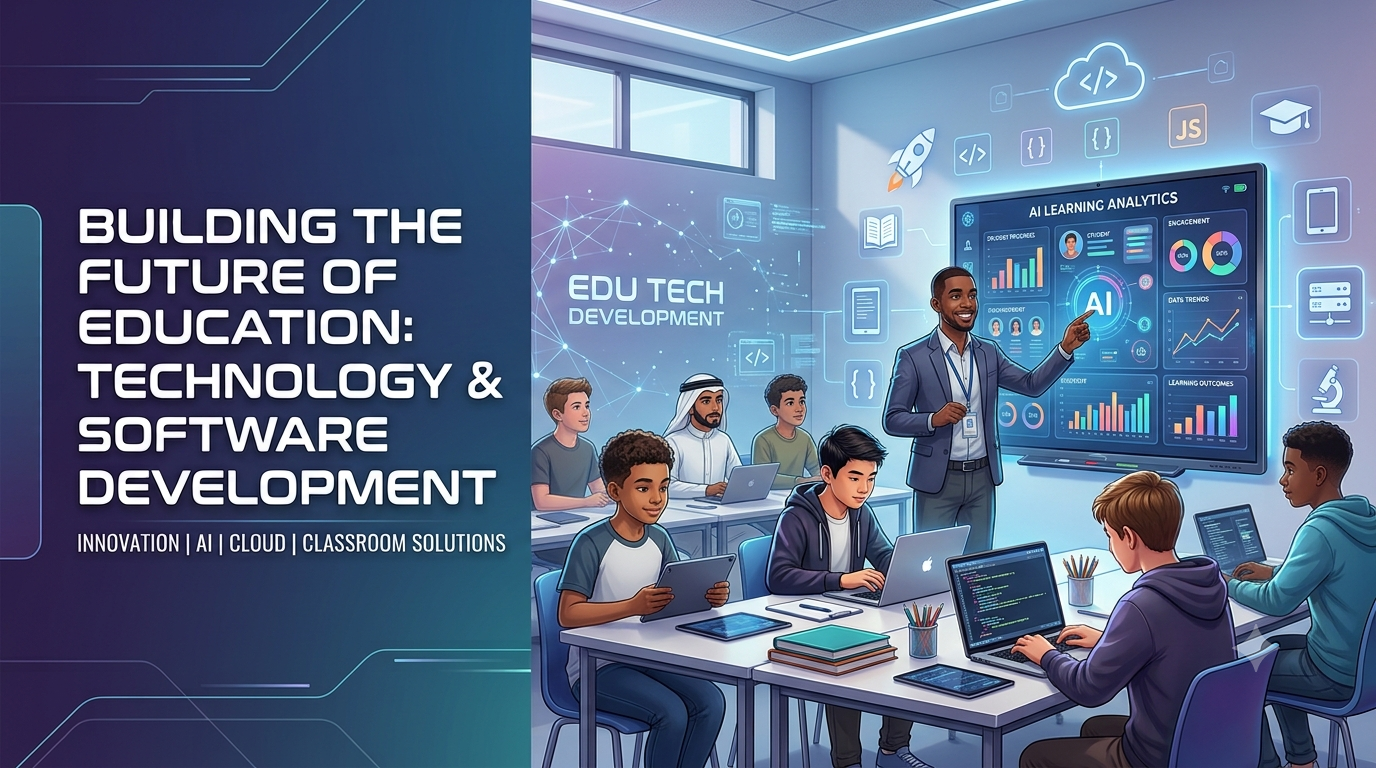
Education Technology Software Development: A Complete Guide to Building Smarter Learning Solutions
Introduction
Education technology software development focuses on creating digital tools that improve teaching, learning, and educational management. From virtual classrooms and learning management systems to AI-powered tutoring platforms, these solutions help schools, universities, businesses, and training organizations deliver engaging and personalized learning experiences. As education continues to embrace digital transformation, investing in high-quality educational software has become essential for improving accessibility, collaboration, and learning outcomes.
What Is Education Technology Software Development?
Education technology software development involves designing, building, testing, and maintaining applications that support education and training. These solutions simplify learning while improving communication between educators, students, administrators, and parents.
Educational software serves various purposes, including:
- Online learning
- Classroom management
- Student assessment
- Course creation
- Virtual collaboration
- Progress tracking
- Skill development
Modern EdTech solutions combine intuitive interfaces with advanced technologies to create engaging learning experiences.
Why EdTech Software Matters
Technology has transformed education beyond traditional classrooms. Educational software provides flexibility, accessibility, and improved learning outcomes.
Key benefits include:
- Learning from anywhere
- Personalized education paths
- Better student engagement
- Reduced administrative workload
- Faster communication
- Real-time performance analytics
- Cost-effective training
Organizations also use educational software for employee onboarding and professional development, making EdTech valuable across industries.
Types of Educational Software
Learning Management Systems (LMS)
Learning Management Systems organize courses, assignments, quizzes, certificates, and learner progress in one platform.
Common capabilities include:
- Course enrollment
- Content management
- Assessments
- Reporting dashboards
- Discussion forums
Virtual Classroom Platforms
Virtual classrooms enable live online learning through:
- Video conferencing
- Screen sharing
- Whiteboards
- Chat features
- Breakout rooms
- Session recording
These platforms make remote learning interactive and accessible.
Mobile Learning Applications
Mobile apps allow students to study anytime and anywhere.
Popular features include:
- Offline learning
- Flashcards
- Push notifications
- Gamified lessons
- Practice quizzes
AI-Based Learning Platforms
Artificial intelligence personalizes education by:
- Recommending lessons
- Identifying learning gaps
- Automating grading
- Providing instant feedback
- Creating adaptive learning paths
AI significantly improves learning efficiency while reducing instructor workload.
Essential Features of Modern EdTech Platforms
Successful education software should include features that enhance both teaching and learning.
Important features include:
User-Friendly Interface
Simple navigation improves user satisfaction for students, teachers, and administrators.
Personalized Learning
Adaptive learning recommends lessons based on individual progress and performance.
Interactive Content
Engagement increases through:
- Videos
- Animations
- Simulations
- Gamification
- Interactive quizzes
Assessment Tools
Built-in testing enables educators to evaluate knowledge quickly through automated grading and detailed analytics.
Collaboration Features
Students benefit from:
- Discussion boards
- Group projects
- Messaging
- Live collaboration
- Peer reviews
Data Security
Educational platforms handle sensitive information, making security essential.
Developers should implement:
- Data encryption
- Secure authentication
- Role-based access
- Regular backups
- Privacy compliance
Technologies Driving Educational Innovation
Several technologies power today’s educational software.
Artificial Intelligence
AI supports adaptive learning, intelligent tutoring, automated grading, and personalized recommendations.
Cloud Computing
Cloud infrastructure enables scalable platforms with secure data storage and easy collaboration.
Big Data Analytics
Analytics provide insights into learner performance, helping educators improve teaching strategies.
Virtual Reality and Augmented Reality
Immersive technologies create realistic simulations for science, healthcare, engineering, and technical education.
Gamification
Game mechanics increase motivation through:
- Badges
- Leaderboards
- Rewards
- Achievement systems
- Challenges
These elements make learning more engaging and enjoyable.
Best Practices for Education Technology Software Development
Developing effective educational software requires careful planning.
Follow these best practices:
- Understand learner needs before development.
- Design for accessibility and inclusive education.
- Optimize performance across devices.
- Prioritize data privacy and cybersecurity.
- Use scalable cloud architecture.
- Conduct continuous usability testing.
- Collect user feedback regularly.
- Integrate analytics for ongoing improvements.
User-centered design ensures long-term adoption and satisfaction.
Common Challenges and Solutions
Despite rapid growth, EdTech development faces several challenges.
Maintaining Student Engagement
Solution:
Use interactive lessons, gamification, and multimedia content.
Data Privacy Concerns
Solution:
Implement strong encryption, secure authentication, and regulatory compliance.
Device Compatibility
Solution:
Develop responsive applications that work across desktops, tablets, and smartphones.
Scalability
Solution:
Build cloud-based systems capable of handling increasing numbers of users without sacrificing performance.
Future Trends in Educational Technology
Education technology continues evolving rapidly.
Emerging trends include:
- AI tutors
- Voice-enabled learning
- Predictive analytics
- Immersive VR classrooms
- Blockchain-based credential verification
- Microlearning platforms
- Personalized learning ecosystems
As these technologies mature, educational experiences will become even more interactive, flexible, and data-driven.
FAQs
1. What is education technology software development?
It is the process of creating software solutions that support digital learning, classroom management, online education, assessments, and educational administration.
2. Why is EdTech software important?
EdTech software improves accessibility, increases learner engagement, automates administrative tasks, and enables personalized learning experiences for students and educators.
3. Which technologies are commonly used in educational software?
Common technologies include artificial intelligence, cloud computing, mobile development, big data analytics, virtual reality, augmented reality, and gamification.
4. What features should educational software include?
Essential features include user-friendly interfaces, learning management tools, assessments, collaboration features, analytics, secure authentication, and personalized learning capabilities.
5. Who benefits from education technology software?
Schools, universities, teachers, students, businesses, training organizations, and corporate learning departments all benefit from educational software solutions.
Conclusion
Education technology software development is transforming the way people teach, learn, and build new skills. By combining innovative technologies with user-focused design, educational platforms deliver engaging, accessible, and personalized learning experiences that benefit students, educators, and organizations alike. Whether you’re planning to develop a learning management system, a virtual classroom, or an AI-powered tutoring platform, focusing on usability, security, and scalability will ensure long-term success. Continue exploring emerging EdTech innovations to create smarter learning solutions that meet the evolving needs of modern education.





2 Comments